Case Study: Successful Hardware Integration in Local Businesses
Al
Introduction
In today's rapidly evolving technological landscape, successful hardware integration can be a game-changer for local businesses. By seamlessly incorporating new technologies, businesses can enhance efficiency, improve customer satisfaction, and drive growth. This case study explores how local businesses have achieved remarkable success through strategic hardware integration.
From point-of-sale systems to inventory management tools, the right hardware can streamline operations and provide businesses with a competitive edge. Let's delve into some real-world examples that illustrate the transformative power of hardware integration.
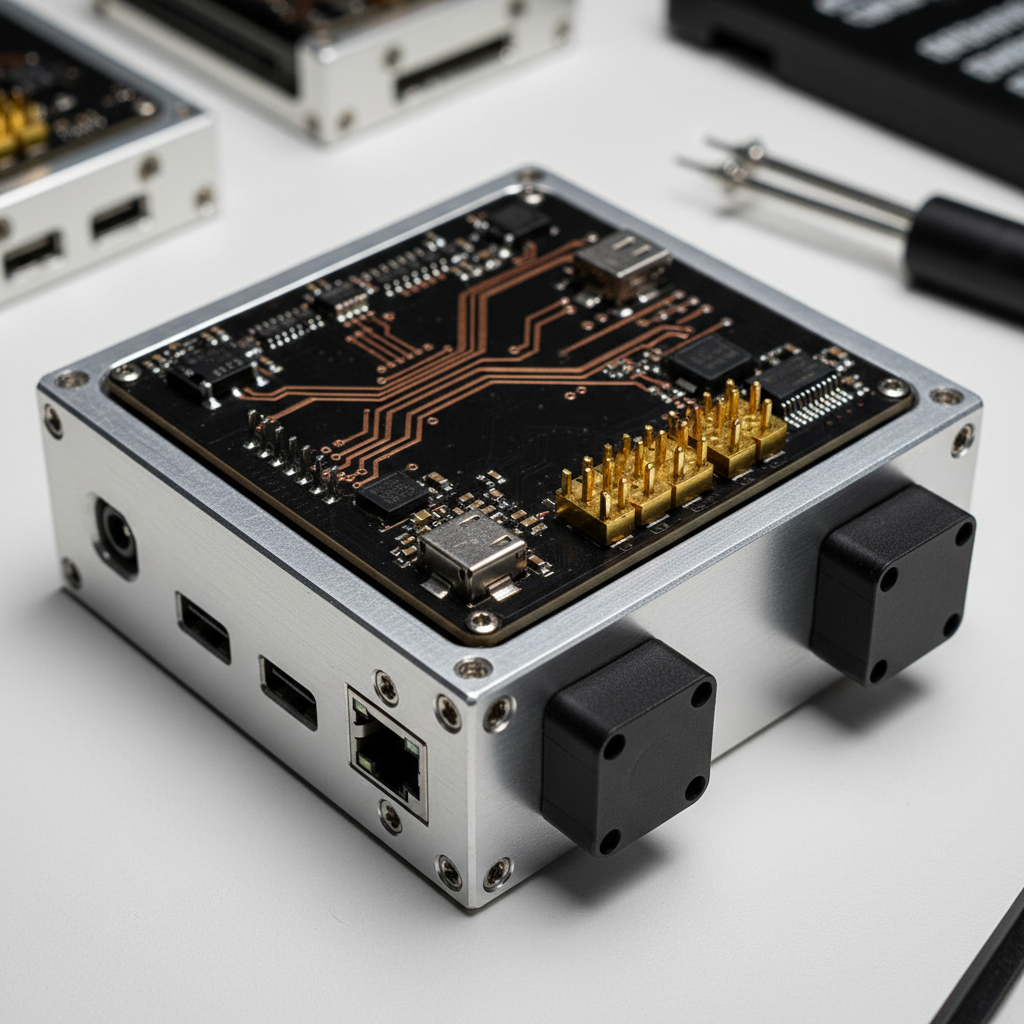
Streamlining Operations
One of the key benefits of hardware integration is the ability to streamline operations. For example, a local café implemented a modern point-of-sale (POS) system that integrated with their existing software. This allowed them to process transactions faster, manage inventory in real-time, and reduce human errors.
Thanks to this integration, the café experienced a 20% increase in transaction speed and a significant reduction in inventory discrepancies. Moreover, staff could focus more on customer service, enhancing the overall customer experience.
Enhancing Customer Experience
Another local business, a boutique retail store, integrated smart mirrors and digital kiosks into their shopping experience. These technologies allowed customers to view product information, see virtual try-ons, and make purchases directly from the kiosks.
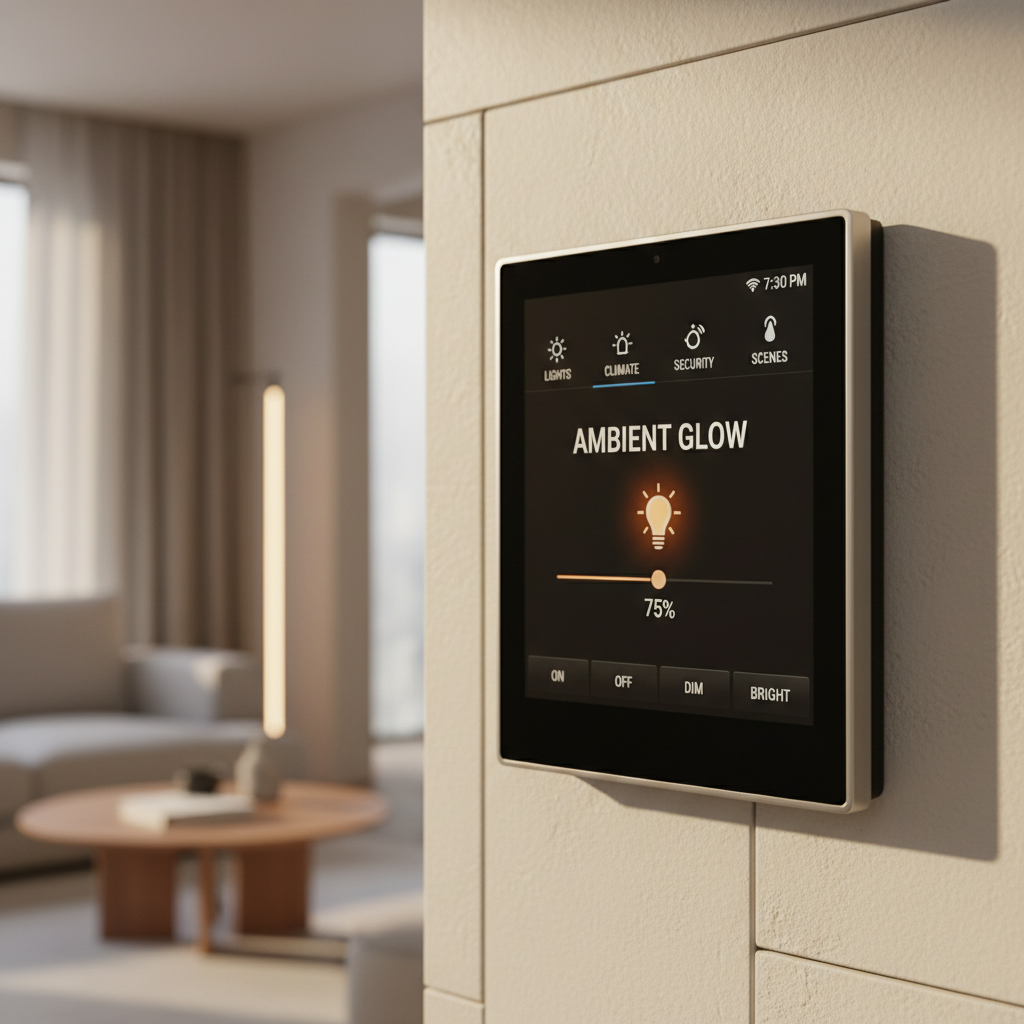
This innovative approach not only improved the shopping experience but also increased sales by 15% as customers found it easier to make informed purchasing decisions. The store reported higher customer satisfaction, with many praising the convenience and modern feel of the shopping environment.
Driving Growth Through Data
Data is a powerful tool for any business, and hardware integration can facilitate better data collection and analysis. A local restaurant chain integrated IoT devices to monitor kitchen equipment performance. This integration provided real-time data on equipment usage, maintenance needs, and energy consumption.
By leveraging this data, the restaurant was able to optimize equipment usage, reduce energy costs by 10%, and schedule timely maintenance, thereby avoiding costly breakdowns. This proactive approach not only saved money but also ensured a consistent quality of service.

Overcoming Challenges
Despite the numerous benefits, hardware integration can present challenges. One local business faced initial difficulties in integrating new hardware with their legacy systems. However, by working closely with a technology consultant, they were able to develop a custom solution that ensured compatibility and smooth operation.
This experience underscores the importance of having a clear implementation plan and collaborating with experts to address potential hurdles. With the right support, businesses can overcome challenges and fully realize the benefits of hardware integration.
Conclusion
The success stories of these local businesses highlight the significant impact that hardware integration can have. By enhancing operational efficiency, improving customer experiences, and driving data-driven decisions, businesses can achieve substantial growth.
As technology continues to advance, local businesses that embrace hardware integration will be well-positioned to thrive in a competitive marketplace. The key is to approach integration strategically, ensuring that new technologies align with business goals and customer needs.