Common Hardware Myths Debunked: What You Need to Know
Al
The Myth of More RAM Equals Better Performance
One of the most common myths in the world of hardware is that simply adding more RAM will automatically enhance your computer's performance. While RAM is crucial for multitasking and running memory-intensive applications, more RAM doesn't always equate to a faster system. The key is ensuring that your system has enough RAM for your specific needs, rather than an excessive amount that will remain unused.
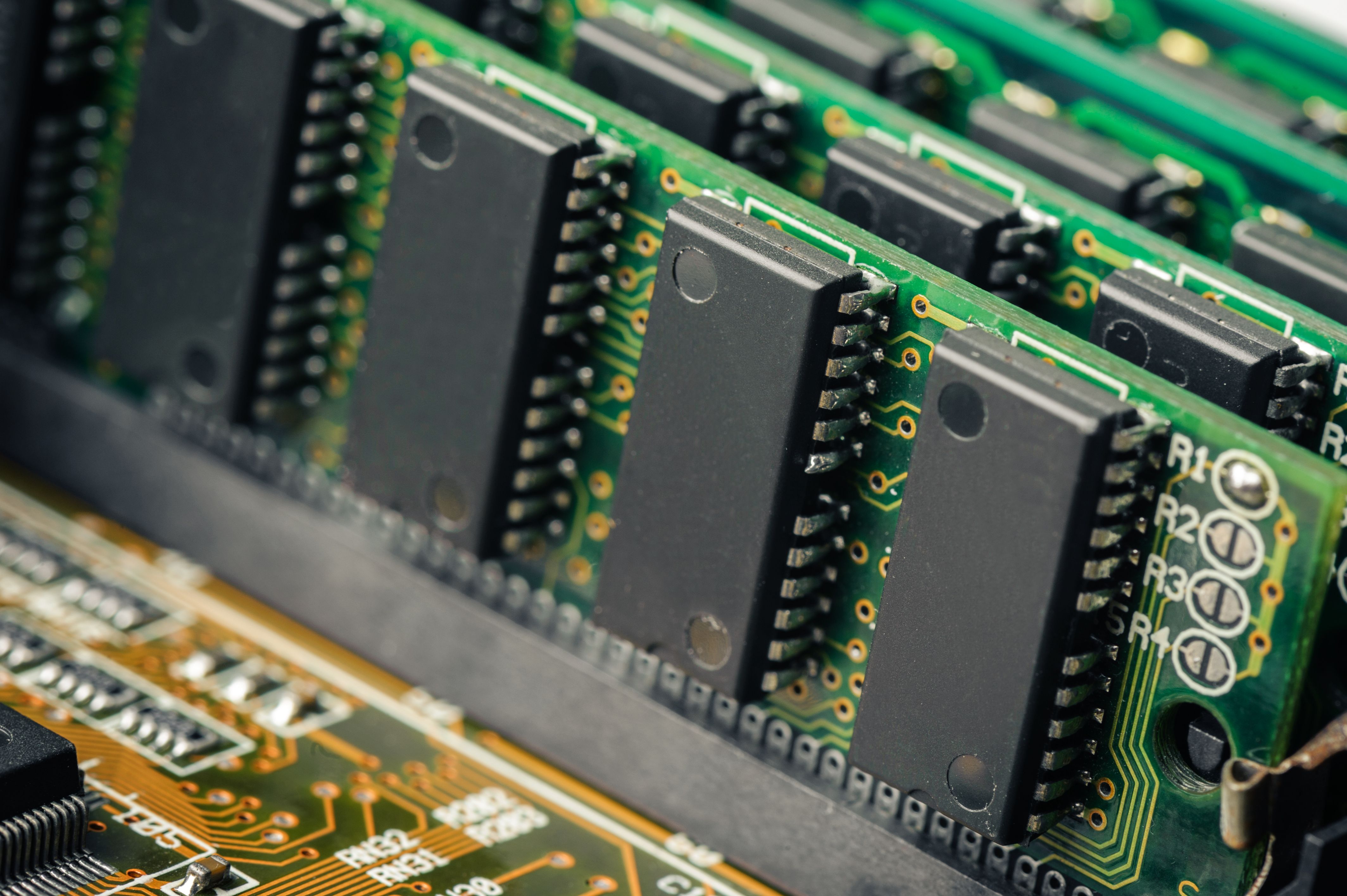
For instance, if you're a gamer or a video editor, you might benefit from having 16GB or more of RAM. However, for everyday tasks like browsing the web or using word processing software, 8GB is often more than sufficient. Understanding your usage patterns is essential to making the right decision.
Myth: More Cores Always Means Faster Processing
Another widespread belief is that a processor with more cores will always outperform one with fewer cores. While it's true that multiple cores can help with multitasking and software designed to take advantage of them, not all applications are optimized for multi-core processing.

For general computing tasks, a dual-core processor with a higher clock speed can sometimes outperform a quad-core processor. It's important to consider both the number of cores and the clock speed when evaluating a processor's performance for your specific needs.
Myth: Bigger Hard Drives Are Always Better
Many people assume that a bigger hard drive is inherently better. While having ample storage is important, the type of hard drive can have a significant impact on performance. Solid State Drives (SSDs) are much faster than traditional Hard Disk Drives (HDDs) and can greatly enhance system responsiveness and load times.
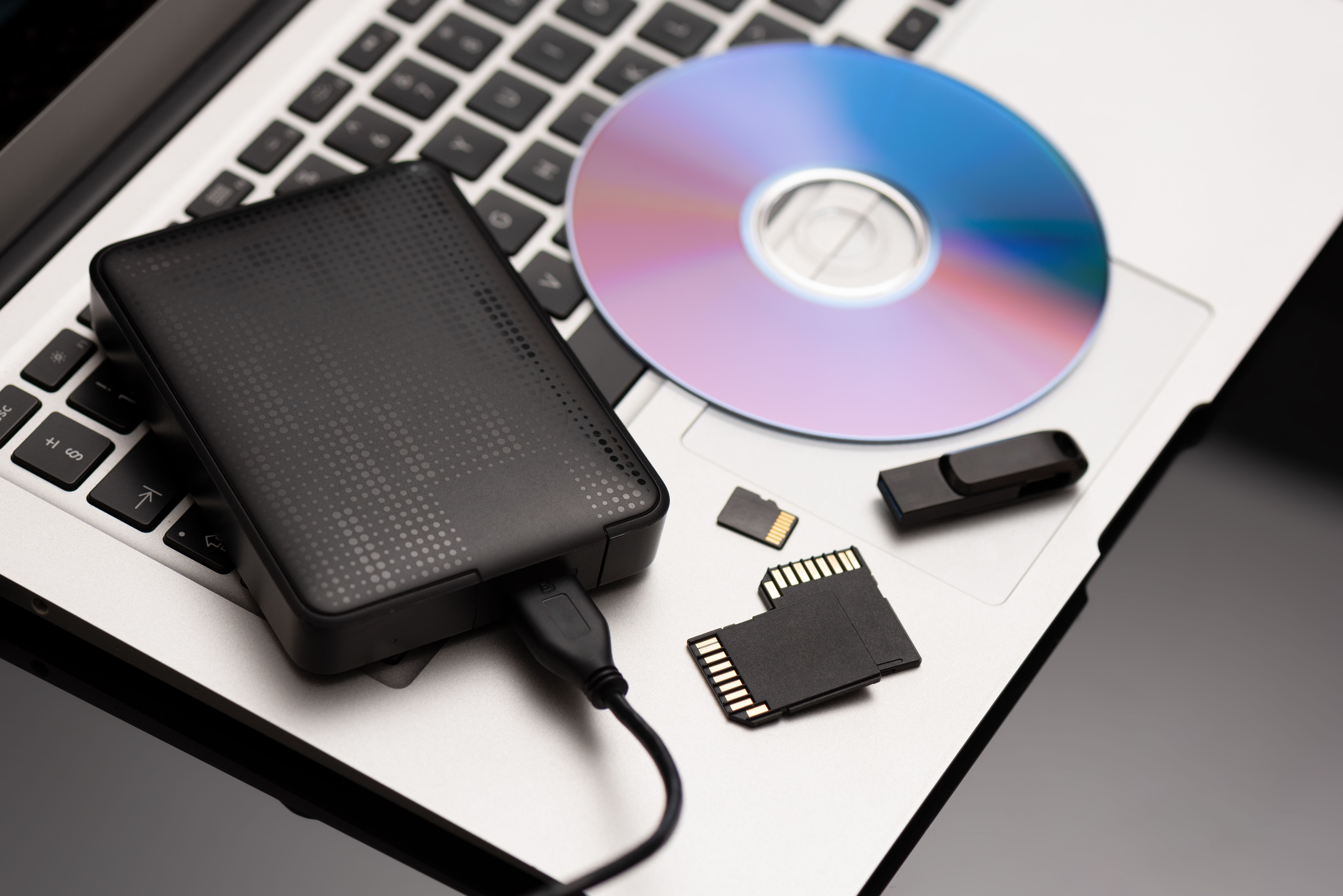
If you have the choice, opting for an SSD with less storage might offer a better overall experience than a larger HDD, especially if speed and performance are priorities for you.
Myth: Expensive Cables Improve Signal Quality
It's a common belief that spending more on premium cables will result in better signal quality. In reality, for digital signals like HDMI or USB, the difference in quality between a standard and a premium cable is negligible. Digital signals either work or they don't, and any cable that meets the necessary standards will suffice.
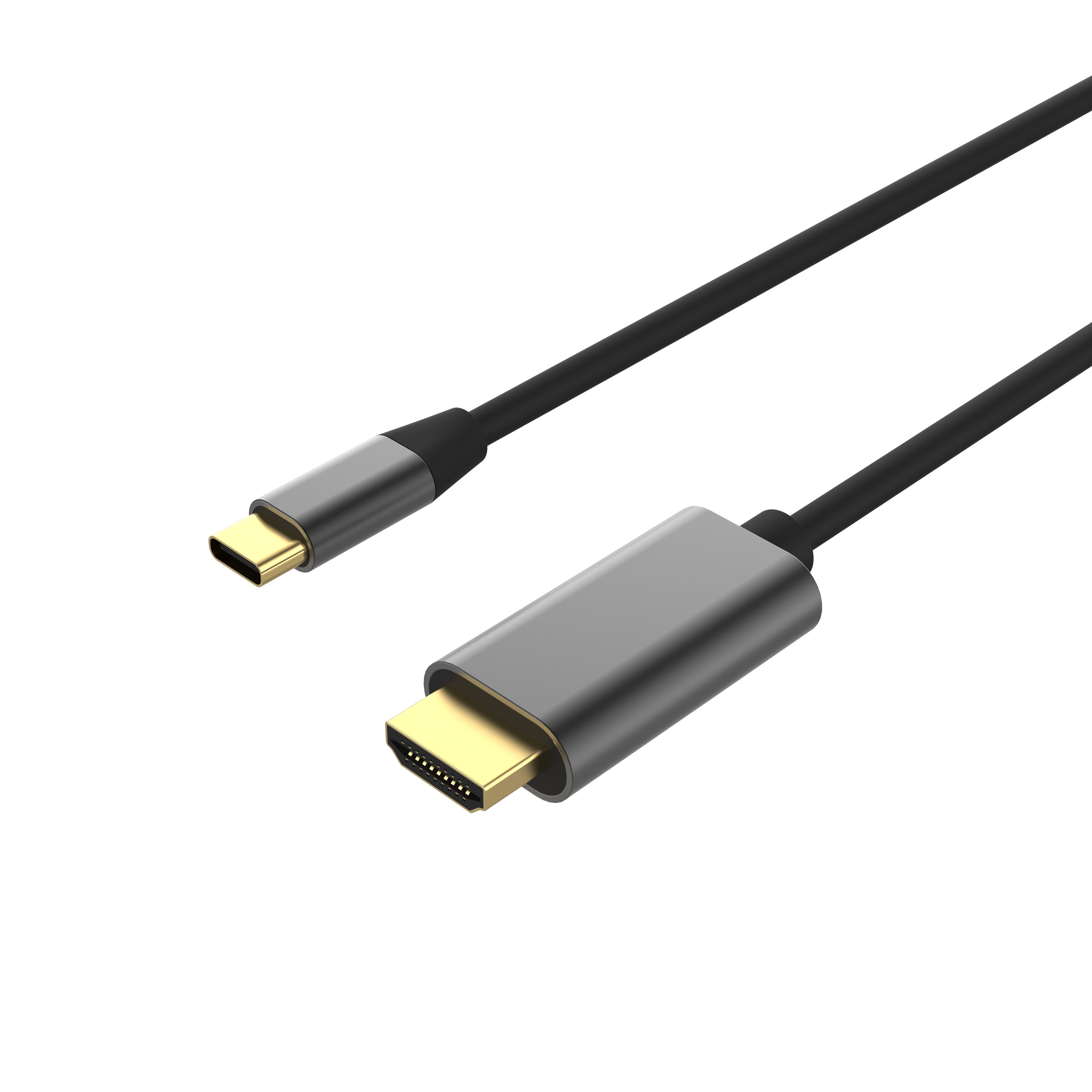
Before shelling out extra cash for expensive cables, ensure that the cables you choose are certified for the necessary standards. This way, you'll maintain signal integrity without breaking the bank.
Conclusion: Making Informed Decisions
Understanding these common hardware myths can help you make more informed decisions when upgrading or purchasing new technology. By focusing on your specific needs and the actual performance benefits rather than assumptions, you can better allocate your resources and improve your computing experience.
Remember, technology is constantly evolving, and staying informed is key to making the best choices for your hardware needs.