Comparing Hardware Solutions: Finding the Best Fit for Your Needs
Al
Understanding Your Hardware Needs
Choosing the right hardware solution is crucial for the success and efficiency of any organization. Whether you are a small business owner or a large enterprise, understanding your specific needs can help you make informed decisions that will impact your operations positively. Consider factors such as budget, performance requirements, and scalability when evaluating different options.
Before diving into specific solutions, it's essential to identify the primary tasks your hardware needs to perform. Are you looking for something that can handle data-intensive applications, or do you need a solution for everyday administrative tasks? Recognizing these needs will guide your selection process.
Types of Hardware Solutions
Desktop vs. Laptop
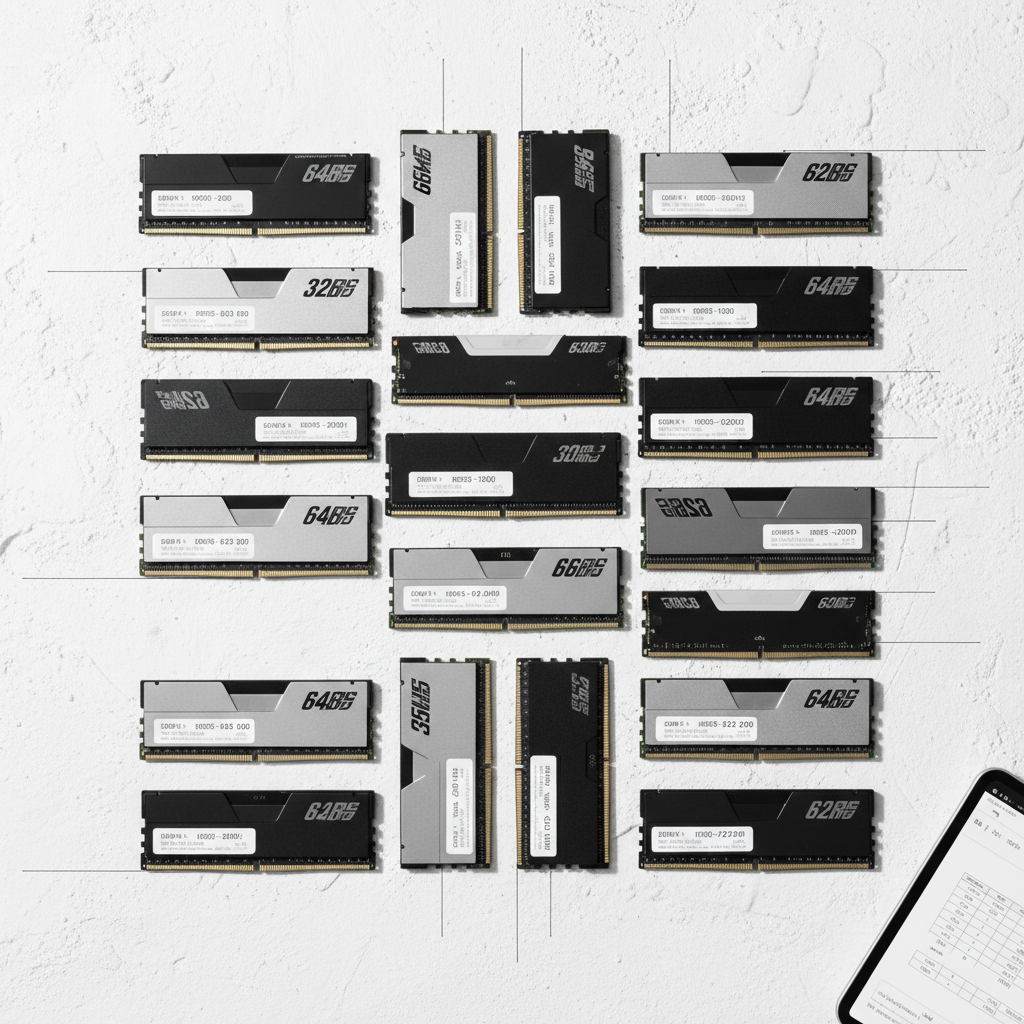
When deciding between desktops and laptops, consider the mobility and flexibility required by your team. Desktops are typically more powerful and cost-effective, making them ideal for stationary work environments. On the other hand, laptops offer portability, which is crucial for employees who travel or need to work remotely.
Servers and Storage
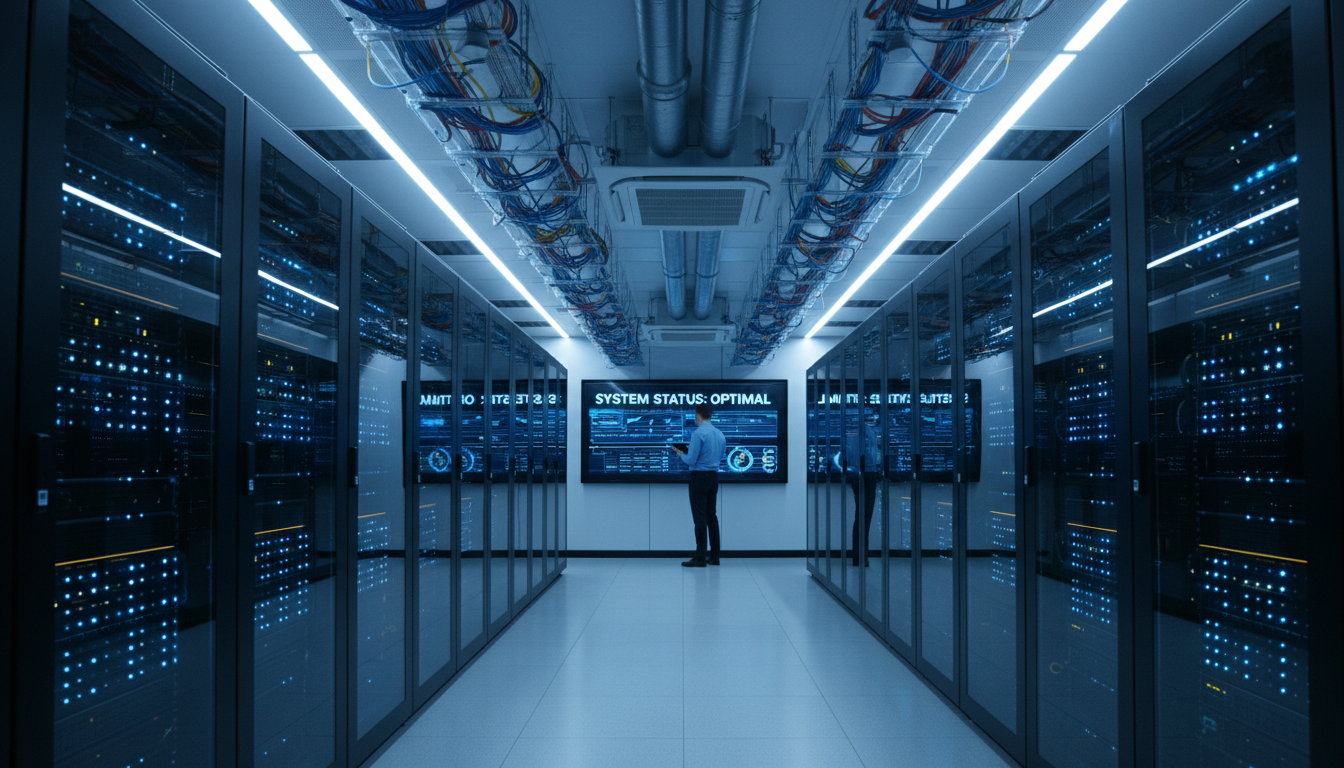
For businesses with substantial data needs, investing in robust servers and storage solutions is vital. Servers provide a centralized location for data management, while storage solutions, such as NAS (Network Attached Storage), offer scalable options to meet growing demands. Consider cloud-based alternatives as well for additional flexibility and disaster recovery benefits.
Evaluating Performance and Compatibility
Performance is a critical factor in choosing hardware. Evaluate the processing power, memory, and graphics capabilities of potential solutions. Ensure that the hardware is compatible with existing systems and software to avoid unnecessary complications. Compatibility considerations also extend to peripherals and other connected devices.
When assessing performance, consider the long-term needs of your organization. Opting for slightly more advanced hardware than currently necessary can provide room for growth and save costs in the future.

Cost Considerations
Budget plays a significant role in hardware selection. While it might be tempting to choose the least expensive option, it's important to balance cost with quality and performance. Investing in reliable hardware can reduce maintenance expenses and downtime in the long run.
Consider total cost of ownership, which includes purchase price, maintenance, upgrades, and potential energy consumption. Selecting energy-efficient hardware can lead to savings on utility bills over time.
Scalability and Future-Proofing
As your business grows, your hardware needs will evolve. Choosing scalable solutions ensures that your infrastructure can expand without requiring complete overhauls. Look for hardware that offers modular upgrades or easy integration with new technologies.
Future-proofing your hardware involves staying informed about emerging trends and technologies. While it's impossible to predict every advancement, selecting hardware with a flexible architecture can help you adapt to future changes more seamlessly.
Conclusion
Finding the best hardware solution involves a careful assessment of your current and future needs. By considering factors such as performance, cost, scalability, and compatibility, you can make informed decisions that align with your organization's objectives. Investing in the right hardware not only enhances productivity but also positions your business for long-term success.