Debunking Common Myths About Hardware Purchases
Al
Understanding the Real Cost of Hardware
One of the most prevalent myths about hardware purchases is that the cheapest option is always the best. While buying inexpensive hardware might seem like a smart financial decision at first, it often leads to higher costs over time. Cheaper hardware may lack durability and require more frequent replacements or repairs, which can add up quickly.
Investing in quality hardware from the start can save you money in the long run. Consider not only the initial purchase price but also the potential costs of maintenance, energy consumption, and eventual replacement. Focusing on the total cost of ownership is crucial for making more informed decisions.
Brand Loyalty vs. Performance
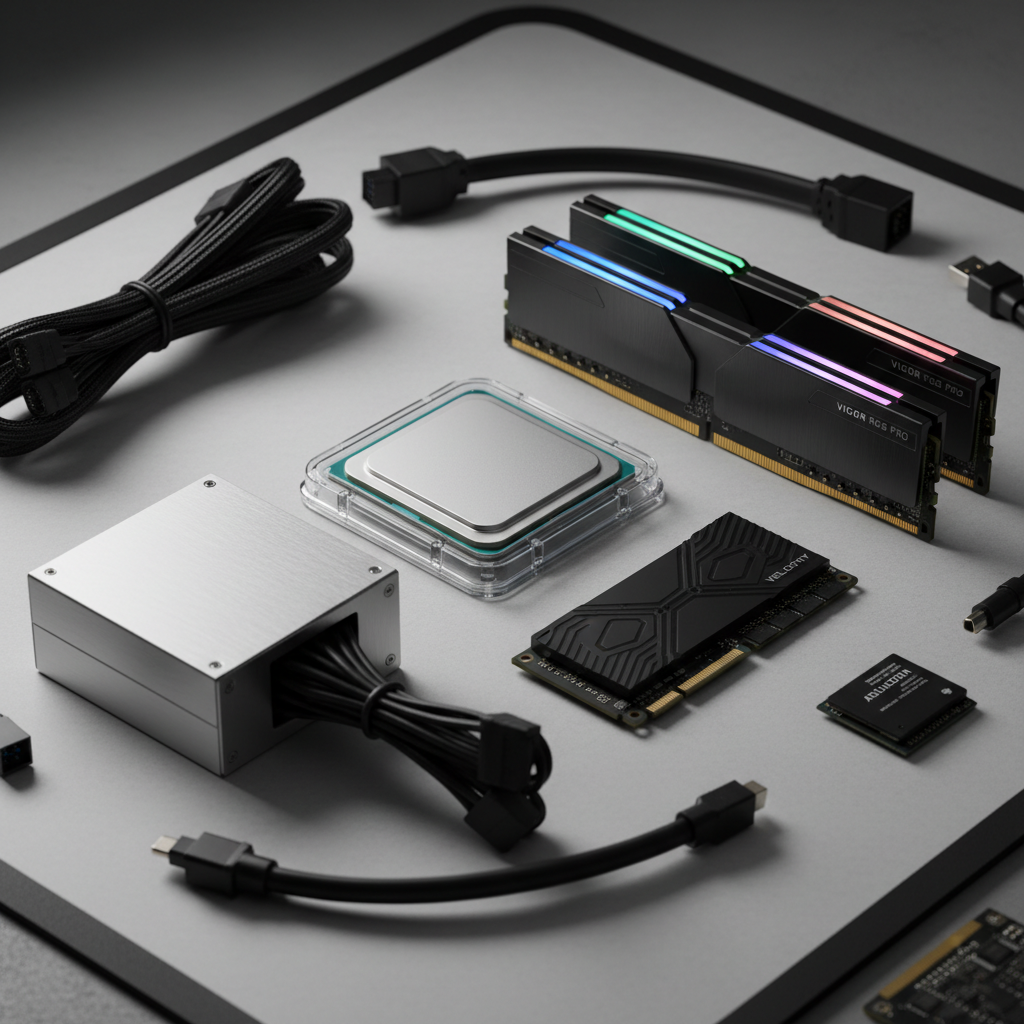
Another common misconception is that sticking with well-known brands guarantees the best performance. While certain brands have established reputations for quality, it's essential to evaluate the specific needs of your business and the capabilities of the hardware itself. Sometimes, lesser-known brands can offer products that perform just as well, if not better, at a lower price.
Always research the specifications and reviews of the hardware you are considering. Assess factors like processing power, compatibility, and user reviews to ensure the product meets your needs without being swayed solely by brand recognition.
The Myth of Future-Proofing
Many consumers believe they can future-proof their technology by purchasing the latest and greatest hardware. While it's wise to consider future needs, technology evolves rapidly, and what is top-of-the-line today may become outdated quickly. Instead of focusing solely on future-proofing, opt for hardware that fulfills your current requirements effectively.

It's beneficial to strike a balance between cutting-edge technology and practicality. Consider modular hardware options that allow for upgrades and expansions as your needs change, rather than investing heavily in features you may never use.
Do You Really Need All the Features?
Often, hardware is marketed with a plethora of features that may seem enticing, but it's crucial to assess whether these features are genuinely beneficial for your specific use case. Paying for features that you don't need can unnecessarily inflate your costs.
Create a list of essential features before starting your search. Focus on what will enhance your efficiency and productivity, and avoid being lured by flashy extras that won't add value to your operations.
Environmental Impact Considerations
Another overlooked aspect of hardware purchases is the environmental impact. Many people assume that all hardware has a similar ecological footprint, but this is a myth. Opting for energy-efficient models can not only reduce your environmental impact but also lower your utility bills.
Look for certifications and ratings that indicate energy efficiency and sustainability. Incorporating eco-friendly choices in your purchasing decisions can contribute positively to your company's environmental responsibility.
Conclusion: Making Informed Decisions
Debunking these common myths about hardware purchases can lead to more informed and effective decisions. By considering the total cost of ownership, evaluating performance over brand loyalty, understanding the limits of future-proofing, focusing on essential features, and considering environmental impacts, you can ensure that your hardware investments are sound and beneficial in the long run.
Stay informed and prioritize your specific needs to avoid falling into the trap of these common hardware myths.