DIY Hardware Repairs: A Beginner's Guide
Al
Understanding the Basics
Diving into DIY hardware repairs can be both rewarding and cost-effective. Whether you're dealing with a squeaky door or a leaky faucet, having a basic understanding of tools and techniques can save you time and money. This guide will walk you through some simple repairs that you can handle on your own.

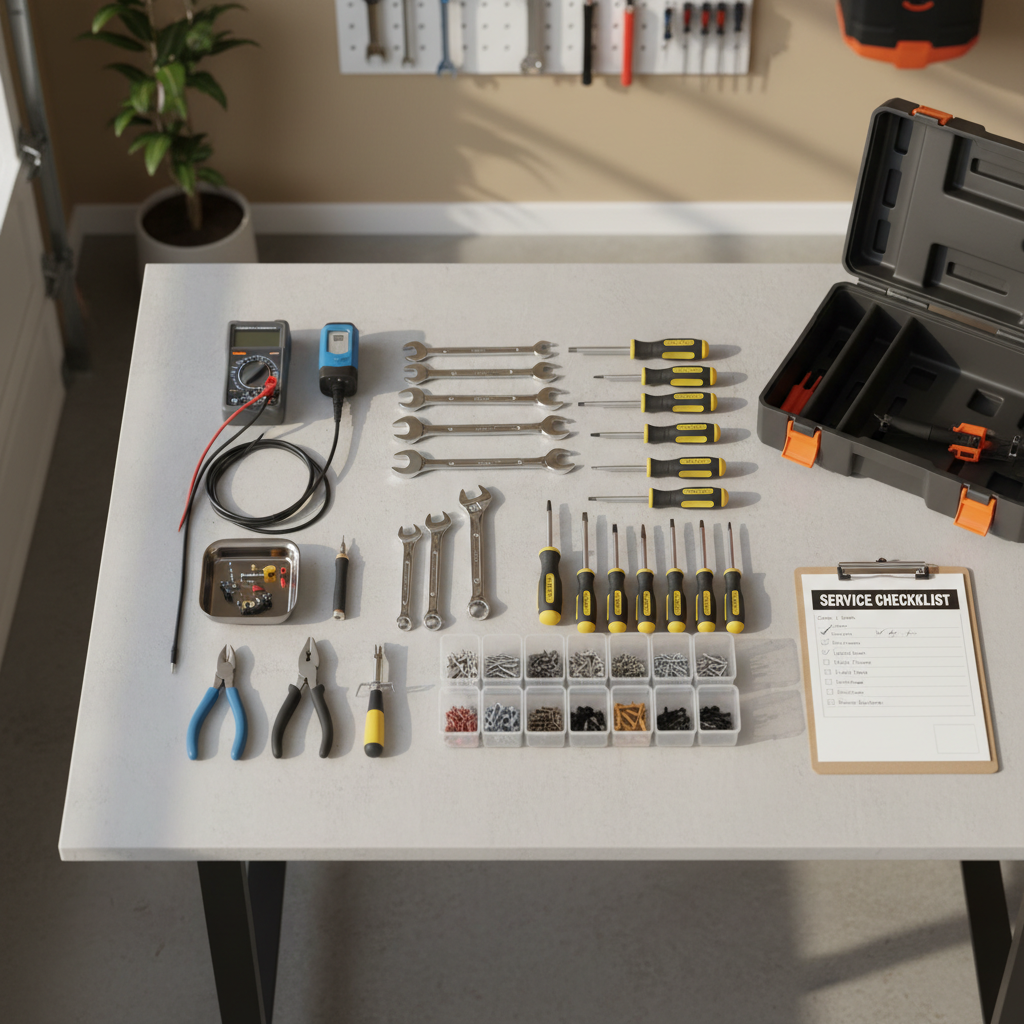
Before starting any repair, ensure you have the right tools. A basic toolkit should include a hammer, screwdrivers, pliers, a tape measure, and a wrench. Having these tools at your disposal will make many repairs straightforward and manageable.
Safety First
Safety should always be your top priority. Wear protective gear such as gloves and goggles, and ensure your workspace is clean and well-lit. If you're working with electrical items, make sure the power is turned off to avoid any accidents.
Common Household Repairs
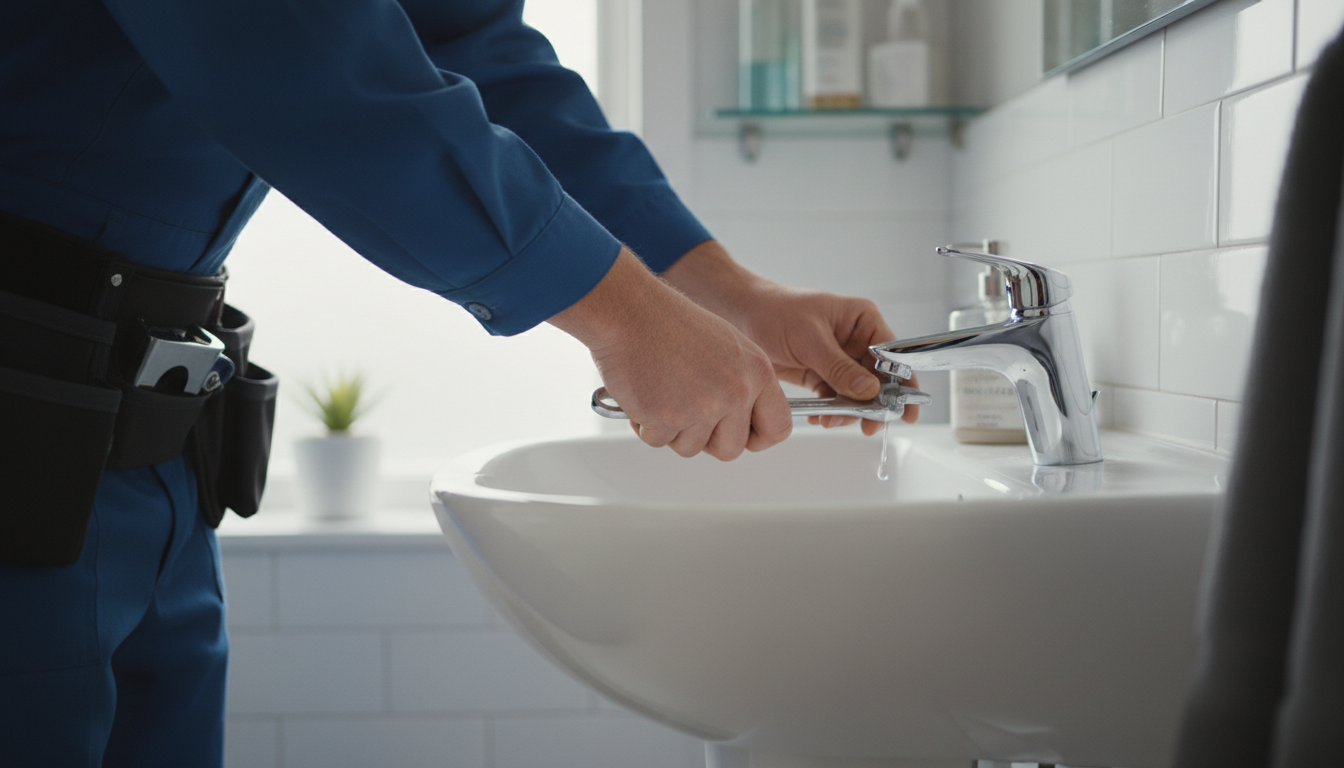
Let's start with some common household repairs that you can tackle. Fixing a leaky faucet, for instance, is a frequent issue in many homes. To address this, first turn off the water supply. Then, disassemble the faucet, replace the worn-out washer, and reassemble it.
Another typical repair is dealing with a loose door hinge. This can usually be fixed by tightening the screws or replacing them with longer ones if they are stripped. Door hinges can wear out over time, so it's a good idea to check them periodically.
Maintaining Your Tools
Proper tool maintenance is essential for efficient repairs. After each use, clean your tools with a dry cloth to remove any dirt or debris. Store them in a dry place to prevent rust. Occasionally oiling metal tools can also extend their lifespan.
When to Call a Professional
While DIY repairs are great for minor issues, there are times when calling a professional is the best choice. If you're dealing with complex electrical problems or plumbing issues beyond a simple leak, it's wise to consult an expert. Attempting complicated repairs without the proper knowledge can lead to further damage.
Knowing your limits is crucial. If you ever feel unsure about a repair, it's better to seek help than risk injury or further complications. Being informed and cautious will ensure successful DIY projects and a safer home environment.