Expert Insights: The Future of Hardware in Saudi Arabia
Al
Understanding the Current Landscape
The hardware industry in Saudi Arabia is evolving at a rapid pace, driven by technological advancements and increasing consumer demand. This transformation is part of a broader vision to reduce dependency on oil and diversify the economy. As the country embraces digital transformation, the hardware sector plays a crucial role in supporting various industries, including construction, manufacturing, and information technology.

Key Drivers of Change
Several factors are driving the growth and evolution of the hardware sector in Saudi Arabia. The government's Vision 2030 initiative aims to modernize infrastructure and promote sustainable growth, which in turn fuels demand for advanced hardware solutions. Additionally, the rise of smart cities and the Internet of Things (IoT) are pushing companies to innovate and offer cutting-edge products.
Another significant driver is the increasing investment in research and development. Local and international companies are collaborating to develop new technologies that enhance efficiency and productivity. This push towards innovation is expected to create a robust ecosystem that supports the hardware industry's future growth.

Emerging Trends in Hardware
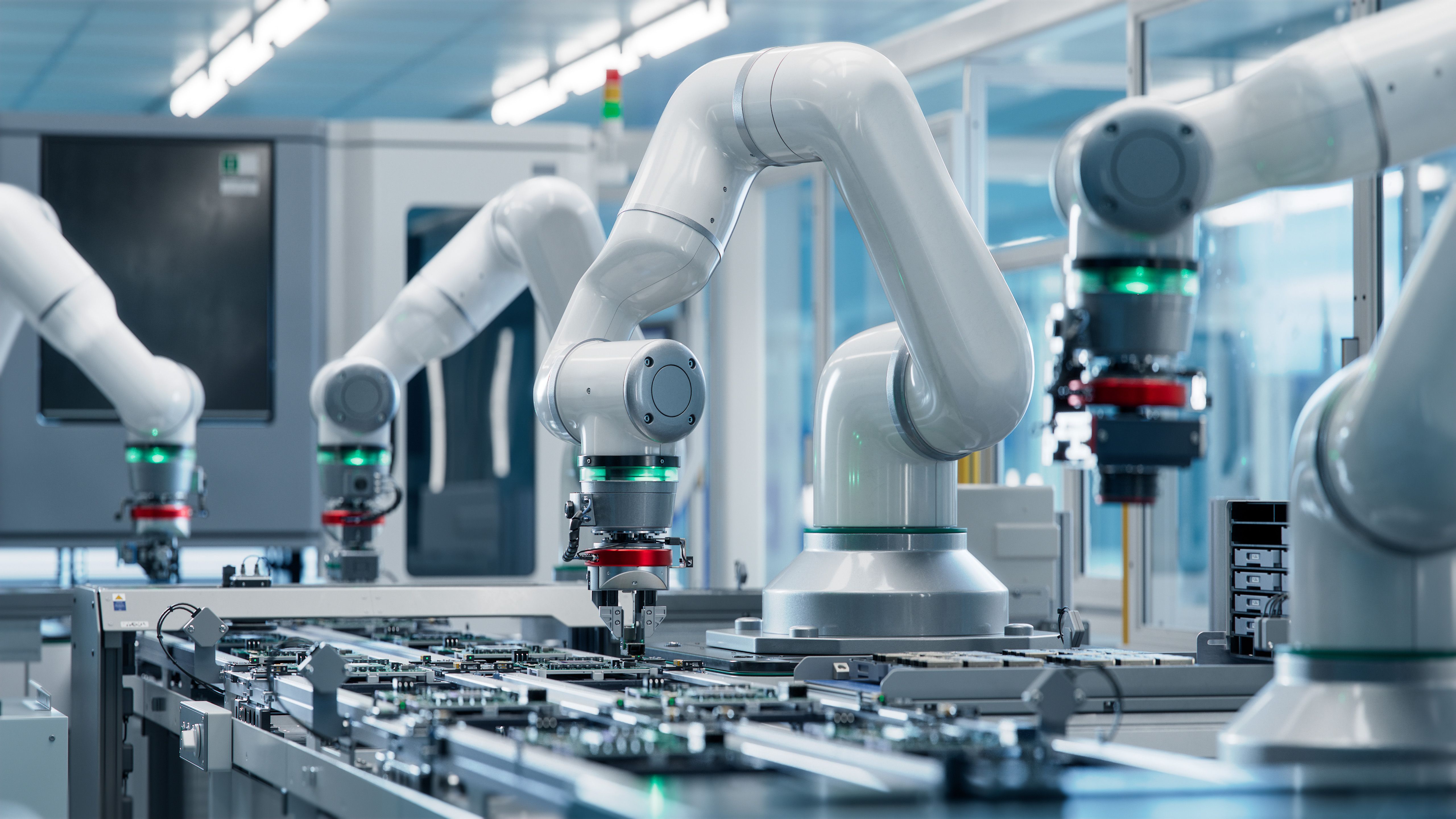
Several trends are shaping the future of hardware in Saudi Arabia. One notable trend is the growing adoption of automation and robotics across various sectors. Companies are leveraging these technologies to streamline operations, reduce costs, and improve accuracy.
Another trend is the increasing focus on sustainability. With environmental concerns on the rise, businesses are seeking eco-friendly solutions that minimize their carbon footprint. This shift is leading to the development of energy-efficient hardware and sustainable manufacturing processes.
Opportunities for Growth
The future of hardware in Saudi Arabia looks promising, with numerous opportunities for growth and expansion. Companies that invest in innovation and embrace new technologies are likely to gain a competitive edge. Key areas of opportunity include:
- Development of smart city infrastructure
- Expansion of IoT applications
- Advancements in renewable energy solutions
By capitalizing on these opportunities, businesses can position themselves as leaders in the hardware sector and contribute to the country's economic development.
Challenges and Considerations
Despite the promising outlook, the hardware industry in Saudi Arabia faces several challenges. One of the most significant is the need for skilled labor to operate and maintain advanced technologies. Developing a workforce equipped with the necessary skills is crucial for sustaining growth and innovation.
Additionally, companies must navigate regulatory requirements and ensure compliance with international standards. This involves adapting to evolving regulations and implementing best practices to maintain competitiveness in the global market.

The Role of Education and Training
Education and training play a vital role in addressing the challenges facing the hardware industry. By investing in education initiatives, Saudi Arabia can equip its workforce with the skills needed to thrive in a technology-driven landscape. Partnerships between educational institutions and businesses can facilitate knowledge transfer and create a pipeline of talent ready to meet the demands of the industry.
Furthermore, continuous learning and professional development opportunities can help professionals stay updated with the latest trends and technologies, ensuring that the hardware sector remains dynamic and resilient.