Expert Tips for Selecting Durable Hardware for Your Business
Al
Understanding Your Business Needs
Choosing the right hardware for your business begins with a clear understanding of your specific needs. Consider what tasks the hardware will support and the environment in which it will operate. This ensures that the equipment not only meets your current requirements but is also flexible enough to adapt to future changes.

Evaluating Hardware Durability
Durability is a critical factor when selecting hardware. Evaluate the materials and construction quality of the equipment. Look for devices that are designed for heavy use and have a proven track record in similar industries. Investing in durable hardware can reduce downtime and maintenance costs.
Check for certifications and standards that guarantee durability, such as MIL-STD-810G for military-grade equipment. These certifications indicate that the hardware has undergone rigorous testing and can withstand harsh conditions.
Considering Compatibility and Scalability
Ensure that the hardware you choose is compatible with your existing systems. This prevents integration issues and maximizes the efficiency of your operations. Furthermore, consider the scalability of the hardware. As your business grows, your hardware should be able to support increased workloads without requiring a complete overhaul.
Assessing Vendor Support and Warranty
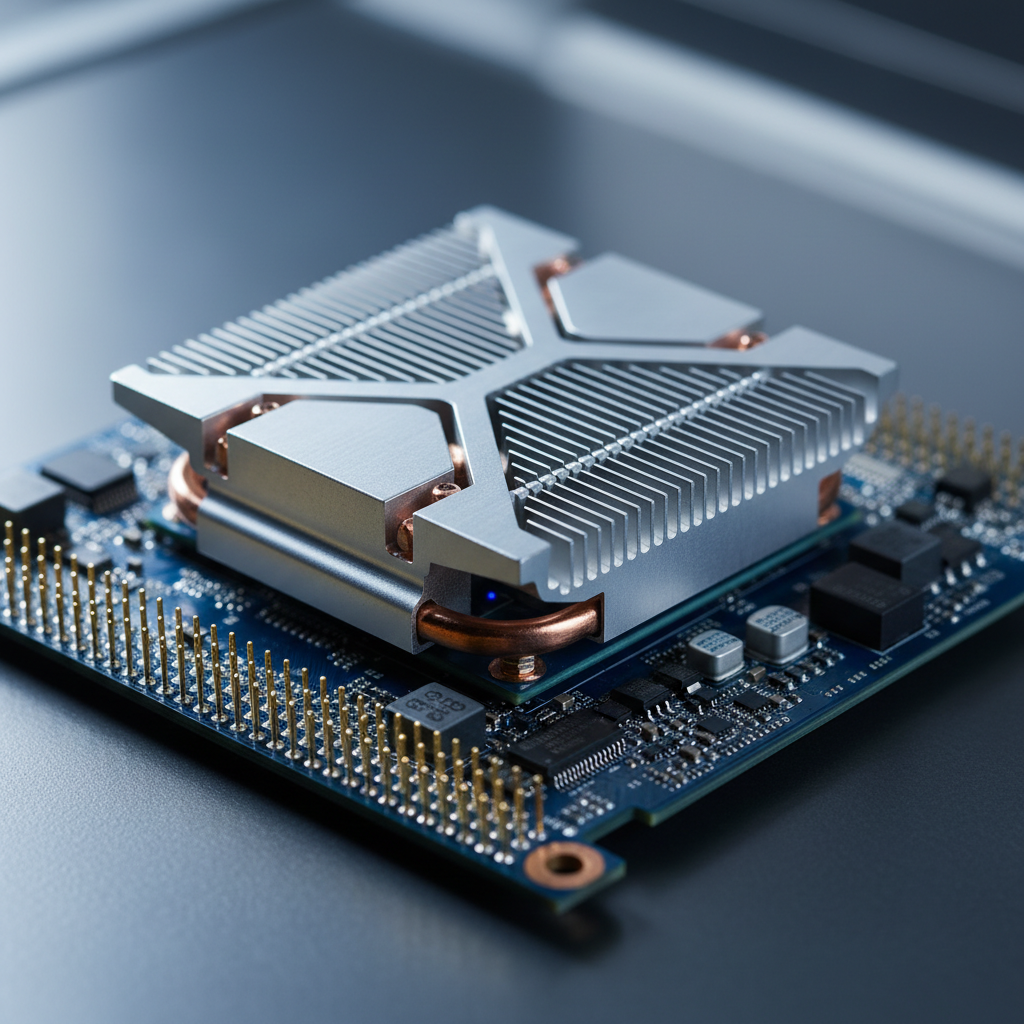
Reliable vendor support is essential for maintaining your hardware. Choose vendors known for their excellent customer service and technical support. In addition, pay attention to the warranty terms. A comprehensive warranty can provide peace of mind and protect your investment in case of hardware failure.
Some vendors offer extended warranties or service packages. These options can be beneficial, especially for critical equipment that your business heavily relies on.
Budgeting for Quality
While it may be tempting to opt for cheaper options, investing in quality hardware is often more cost-effective in the long run. High-quality hardware tends to have a longer lifespan and requires less frequent replacements, saving your business money over time.
Testing and User Feedback
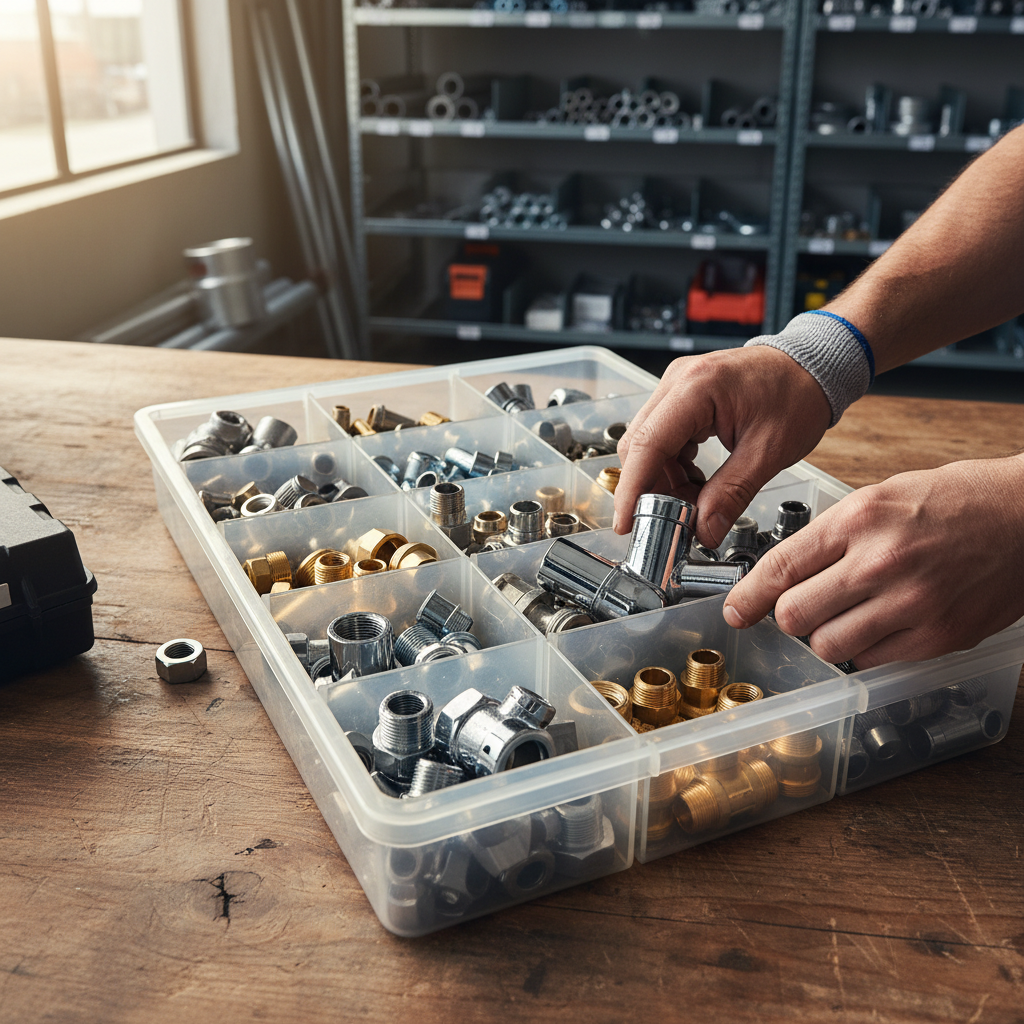
Before making a final decision, conduct thorough testing of the hardware. This can involve pilot programs or trials where the equipment is used in real-world scenarios. Additionally, gather feedback from users who will interact with the hardware regularly. Their insights can be invaluable in assessing the practicality and efficiency of the equipment.
Listening to user feedback can also reveal potential issues that were not initially apparent, allowing you to make more informed decisions.
Future-Proofing Your Investment
Finally, consider the future trends in technology and how they might impact your hardware needs. Choosing equipment that can be easily upgraded or adapted to new technologies can help future-proof your investment, ensuring that your business remains competitive in a rapidly evolving market.
By following these expert tips, you can select durable hardware that meets your business needs and supports your long-term goals.