Misconceptions About Hardware and How to Avoid Them
Al
Understanding hardware is crucial for both tech enthusiasts and everyday users. However, numerous misconceptions about hardware can lead to confusion and poor decision-making. In this post, we'll address these misconceptions and provide tips on how to avoid them.
Misconception 1: More Cores Always Mean Better Performance
One common belief is that more CPU cores automatically translate to better performance. While having multiple cores can improve multitasking and performance in certain applications, it's not always the case. The effectiveness of multiple cores depends on whether the software can utilize them efficiently.
For everyday tasks, such as browsing and word processing, a dual-core processor might be sufficient. However, for tasks like video editing or 3D rendering, a quad-core or higher might be beneficial. Always consider your specific needs before investing in a CPU.
Misconception 2: Higher RAM Guarantees Faster Computers
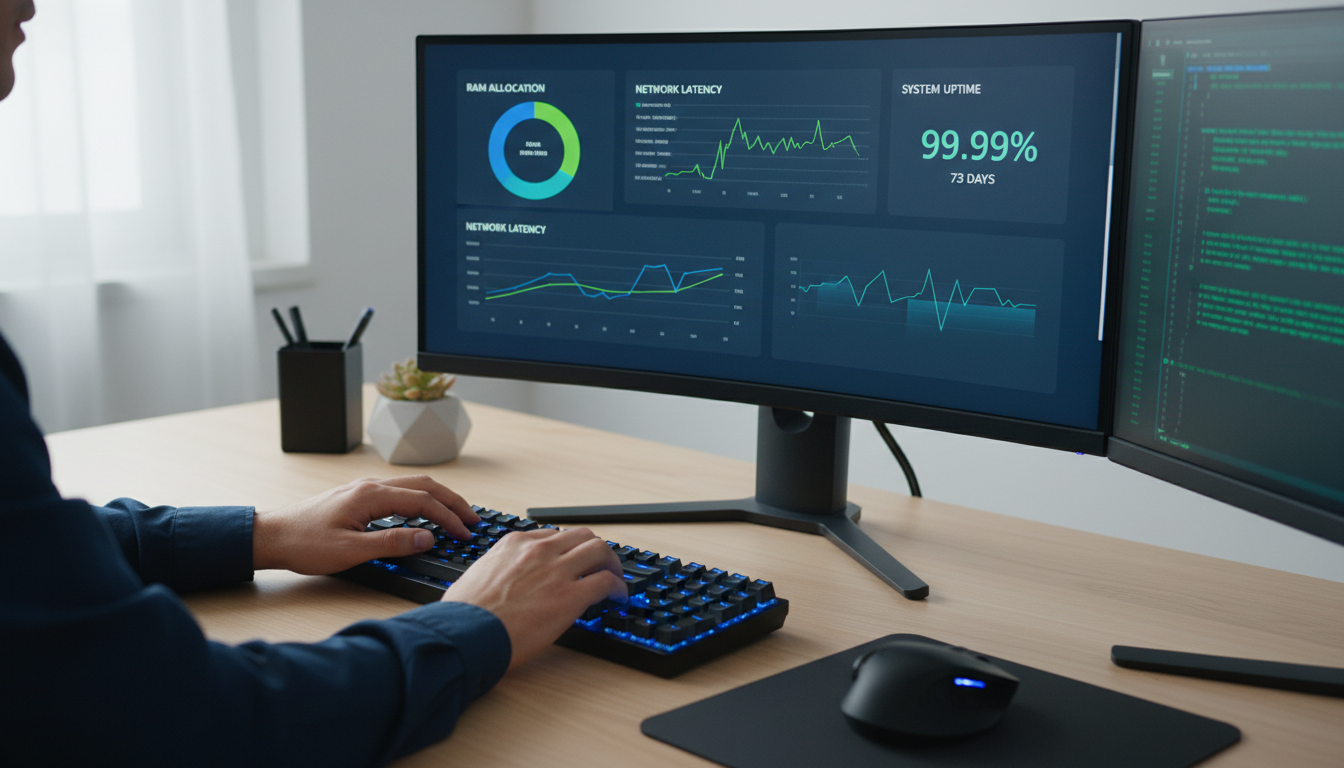
Many people believe that more RAM will always make their computer faster. While RAM is essential for running applications smoothly, its impact diminishes beyond a certain point. For most users, 8GB to 16GB of RAM is adequate.
If you're running memory-intensive applications, like virtual machines or large databases, then more RAM could be advantageous. It's important to balance RAM with other components, such as your CPU and storage, to achieve optimal performance.

Misconception 3: All Storage Drives Are the Same
Storage drives come in various types, with hard disk drives (HDDs) and solid-state drives (SSDs) being the most common. A prevalent misconception is that all storage drives perform similarly. However, SSDs are typically much faster than HDDs, offering quicker boot times and faster data access.
While SSDs are generally more expensive, they significantly enhance performance. If speed is a priority, consider an SSD for your operating system and frequently used applications, while using an HDD for additional storage.

Misconception 4: Graphics Cards Are Only for Gamers
Though graphics cards are crucial for gaming, they are also essential for various professional applications. Video editing, 3D modeling, and machine learning can benefit from a powerful GPU.
If you're involved in any of these activities, investing in a good graphics card can greatly enhance your productivity. Evaluate your specific needs and choose a graphics card that aligns with your tasks.
Misconception 5: More Expensive Means Better
It's easy to fall into the trap of thinking that the most expensive hardware is always the best. While high-end components offer superior performance, they might not be necessary for everyone. Assess your requirements and budget carefully to make informed decisions.
High price tags often come with features that may not be used by the average user. By understanding your needs, you can find the right balance between cost and performance.
Conclusion: Making Informed Hardware Choices
Avoiding these common misconceptions can lead to better hardware choices and improved performance. Always research and consider your unique requirements before making a purchase.
Remember, the most powerful hardware isn't always the best choice for everyone. By staying informed, you can make decisions that best suit your needs and budget.