The Ultimate Guide to Choosing Hardware for Harsh Environments
Al
When selecting hardware for harsh environments, ensuring durability and performance is crucial. Whether it's extreme temperatures, moisture, dust, or corrosive substances, the right hardware can make a significant difference. This guide will help you navigate the essential considerations and make informed decisions.
Understanding Harsh Environments
Harsh environments can vary greatly, from industrial settings to outdoor locations exposed to the elements. These conditions can include high humidity, saltwater exposure, extreme heat or cold, and abrasive materials. Understanding the specific challenges of the environment is the first step in selecting suitable hardware.
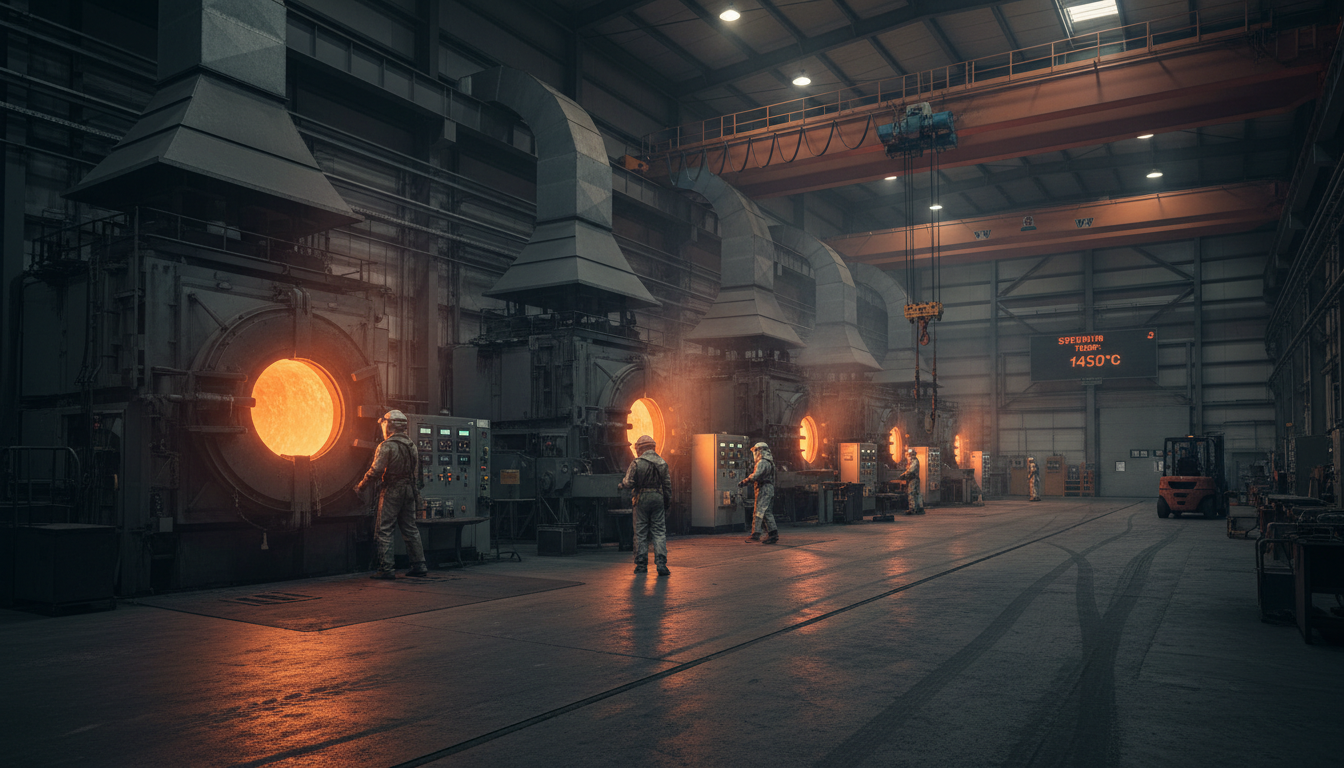
It's important to evaluate the specific environmental factors your hardware will face. This includes not only the obvious physical conditions but also potential chemical exposures. By identifying these factors, you can better determine the necessary material properties and protective features.
Material Selection
The material of the hardware plays a pivotal role in its durability and effectiveness. Stainless steel, for instance, offers excellent resistance to corrosion, making it ideal for marine or high-humidity environments. On the other hand, brass and bronze are often used in applications where conductivity and resistance to wear are crucial.
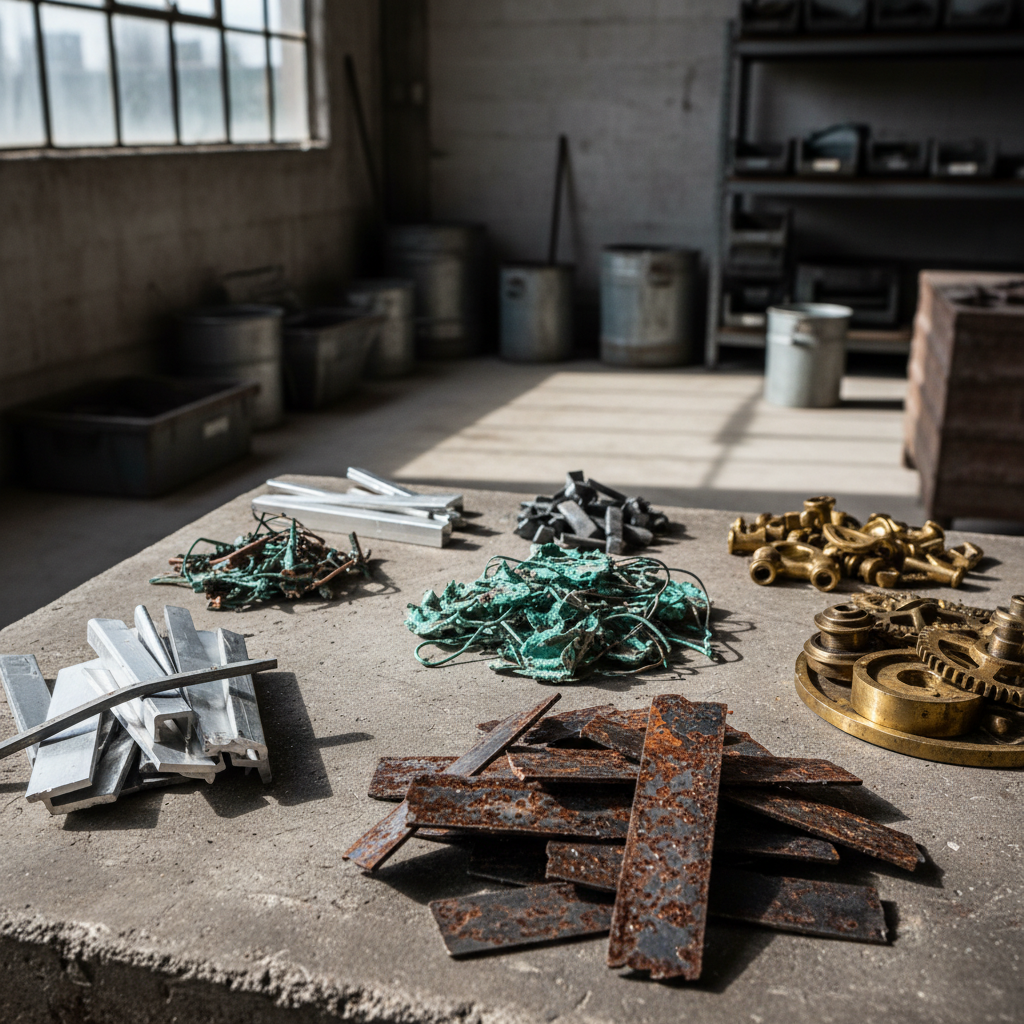
Plastics and composites are increasingly popular due to their lightweight and corrosion-resistant properties. However, they may not always provide the strength required for heavy-duty applications. Consider the trade-offs between weight, strength, and resistance when choosing materials.
Protective Coatings and Finishes
In many cases, protective coatings or finishes can enhance the performance of hardware in harsh environments. Options like galvanization, anodizing, and powder coating add layers of protection against corrosion and wear. These finishes can also improve the hardware's aesthetic appeal, which can be important in visible installations.
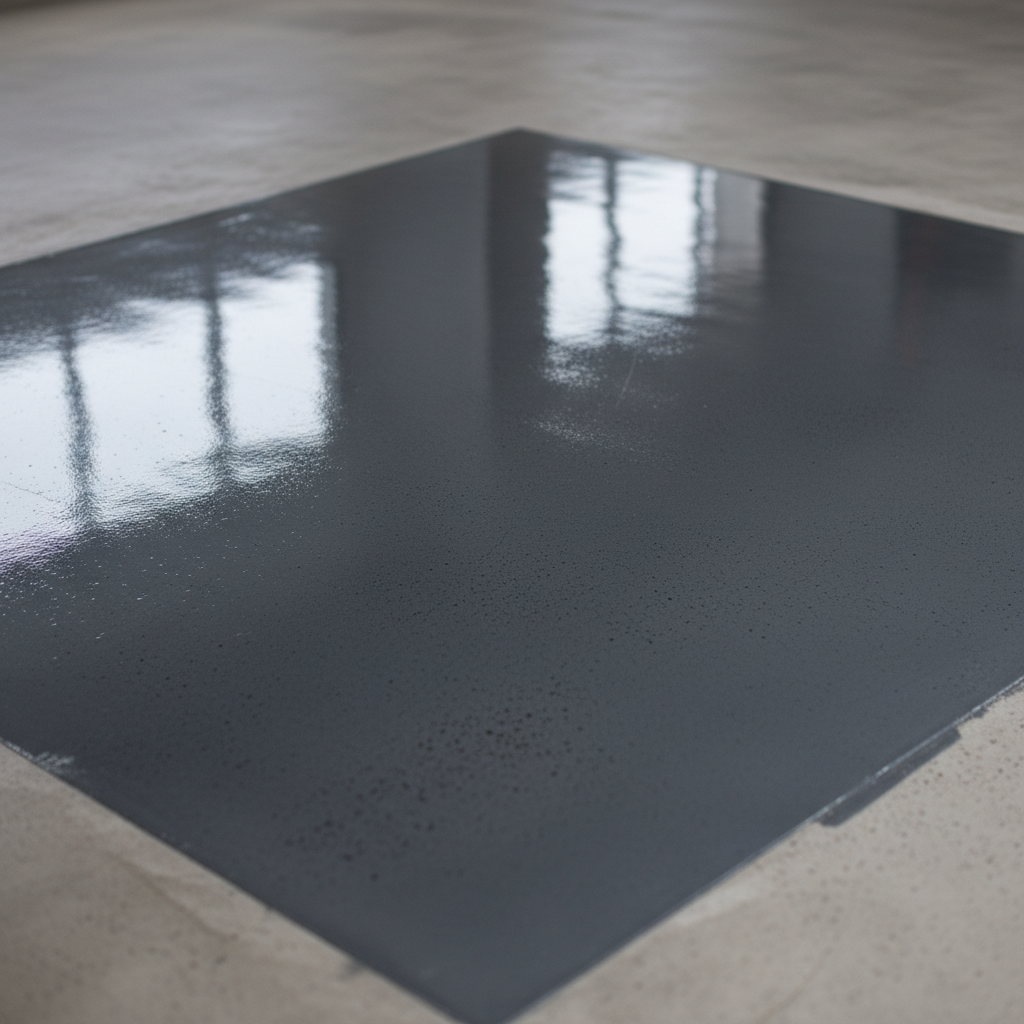
When selecting a coating, consider the specific environmental threats and the longevity of the protection it offers. Regular maintenance and inspections can help ensure that the coatings remain effective over time.
Standards and Certifications
Adhering to industry standards and certifications can provide assurance of quality and suitability for harsh environments. Look for hardware that meets or exceeds standards such as IP (Ingress Protection) ratings or NEMA (National Electrical Manufacturers Association) ratings, which indicate levels of protection against dust and water ingress.
Certifications from reputable organizations can also indicate that the hardware has been tested for specific conditions, providing peace of mind and reducing the risk of failure in critical applications.
Installation and Maintenance Considerations
Proper installation is crucial for ensuring the longevity and performance of hardware in harsh environments. Consider working with experienced professionals who understand the unique challenges posed by these conditions. Additionally, regular maintenance can prevent small issues from becoming significant problems.

Establishing a maintenance schedule and conducting routine inspections can help identify wear and tear early. This proactive approach can extend the lifespan of your hardware and maintain its performance in demanding conditions.
Conclusion
Choosing the right hardware for harsh environments involves a careful evaluation of materials, protective measures, and compliance with industry standards. By understanding the specific challenges posed by your environment and selecting hardware designed to withstand these conditions, you can ensure the reliability and longevity of your installations.
Investing time in research and consulting with experts can help you make informed decisions, ultimately saving time and resources in the long run. Equip your projects with hardware that stands up to the toughest conditions and maintains optimal performance.