Understanding the Impact of Climate on Hardware Durability
Al
Introduction to Climate and Hardware Durability
In today's technology-driven world, the durability of hardware is a crucial aspect that businesses and individuals cannot afford to overlook. The climate, with its varying conditions, plays a significant role in determining how long hardware components last. Understanding these impacts can help in making informed decisions about hardware storage, usage, and procurement.
Different climates pose unique challenges. For example, high humidity can lead to corrosion, while extreme temperatures might cause physical wear and tear. This blog post explores the various ways climate affects hardware durability and offers tips to mitigate these effects.
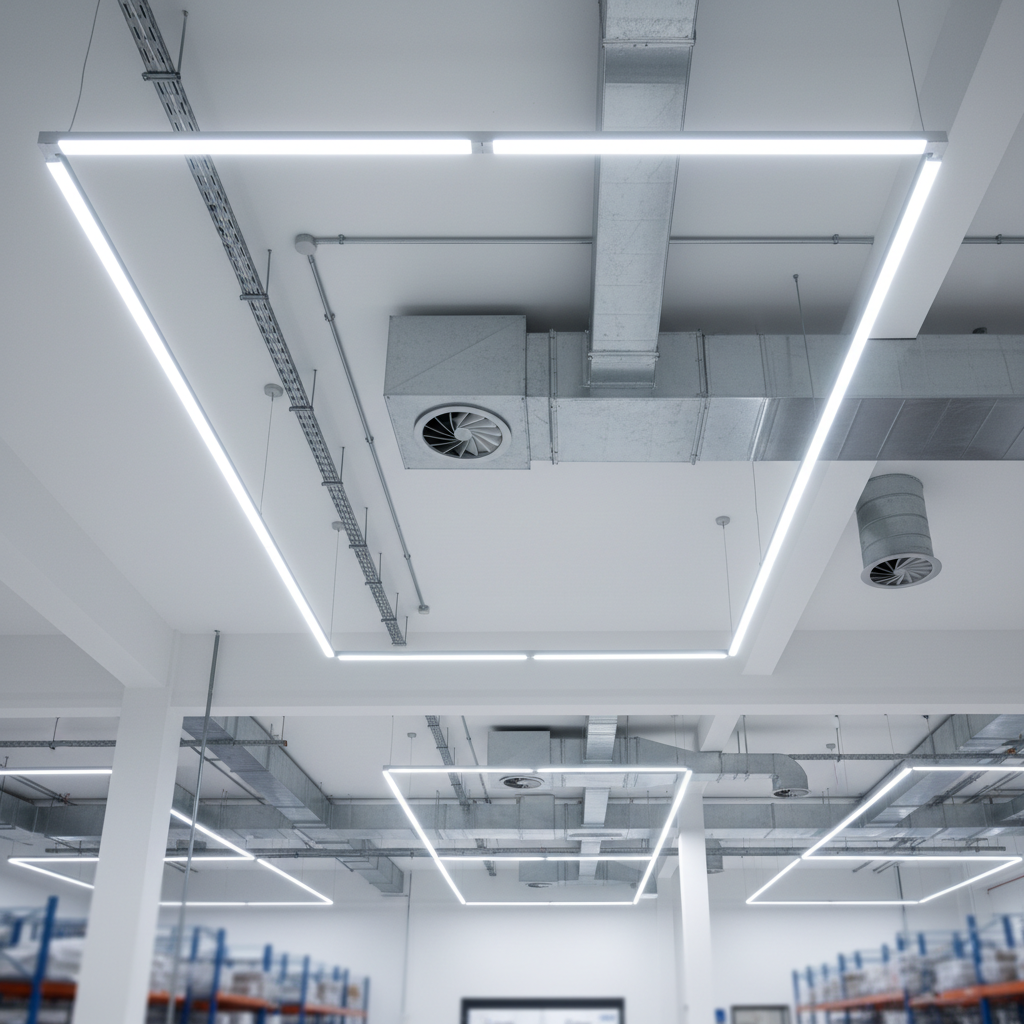
The Effects of Temperature on Hardware
Temperature is one of the most critical climate factors influencing hardware durability. Extreme heat can cause components to expand, potentially leading to cracks and other physical damage. Conversely, extremely cold temperatures can make materials brittle, increasing the risk of breakage.
To enhance hardware longevity, it is essential to maintain a stable environment. Temperature-controlled storage solutions and cooling systems can help mitigate the risks associated with temperature fluctuations.
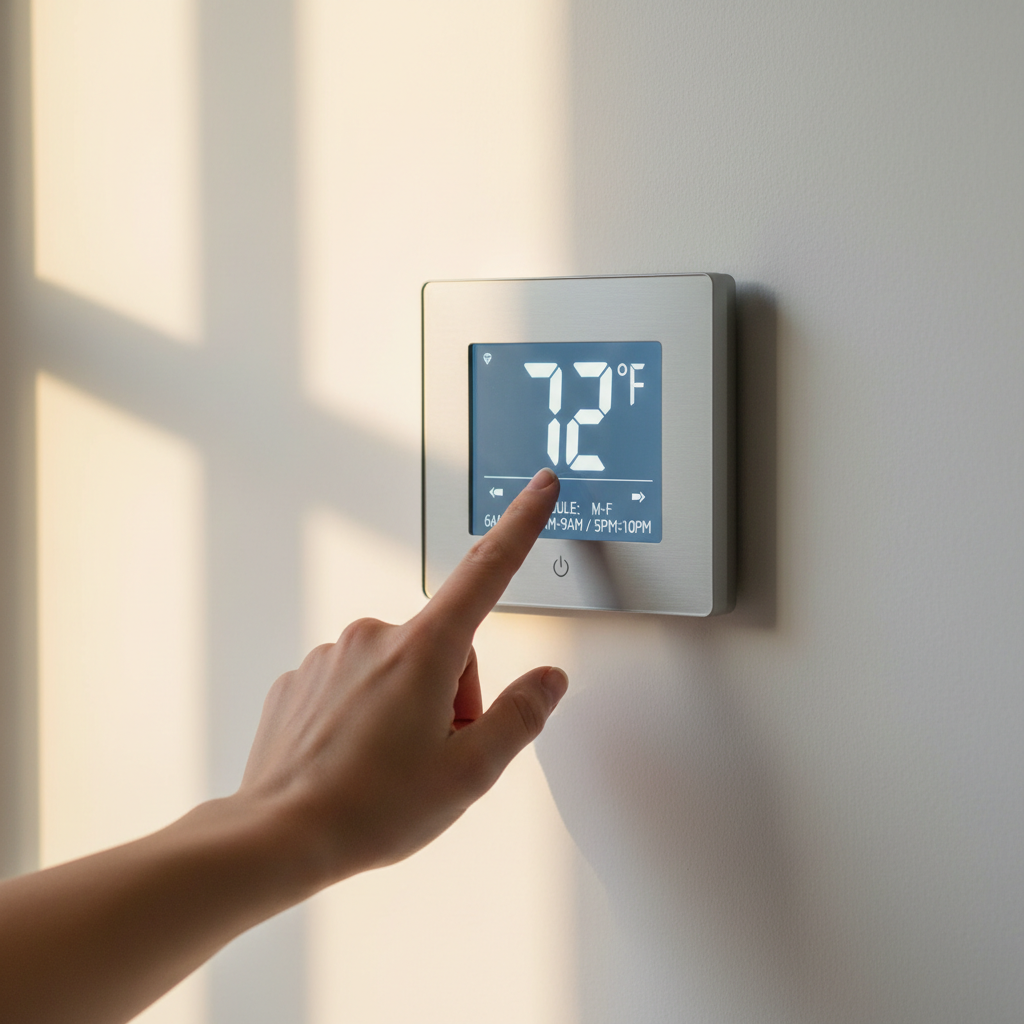
Heat-Induced Failures
High temperatures can accelerate the aging process of electronic components. Overheating is a common cause of hardware failure, as it can lead to the melting of solder joints, damaging circuits. Regular maintenance and monitoring can help prevent these heat-induced issues.
Humidity and Its Impact on Hardware
Humidity levels also play a pivotal role in hardware durability. High humidity can lead to condensation, which may cause electrical shorts and promote the growth of rust and corrosion on metal parts. Ensuring proper ventilation and using dehumidifiers in storage areas can reduce these risks.
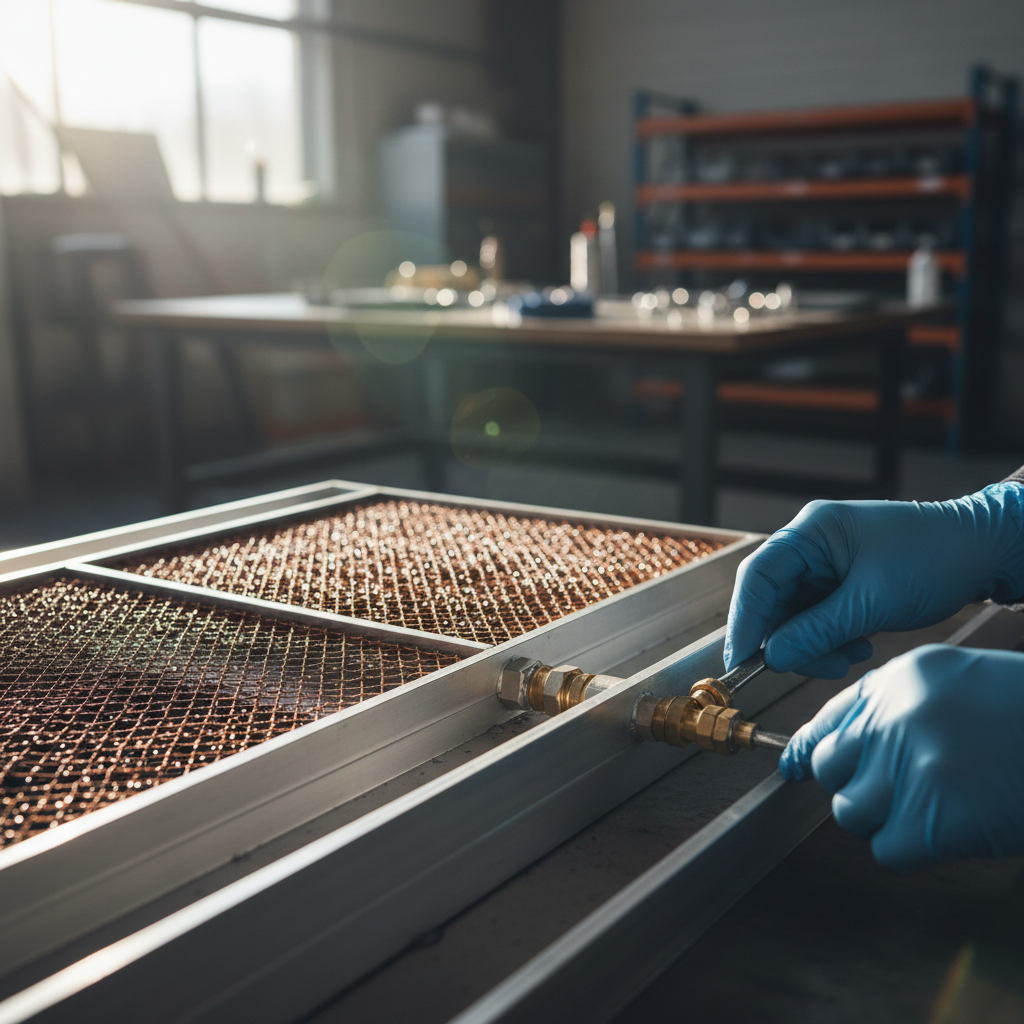
Corrosion and Rust
Corrosion is a significant concern in humid environments. It can weaken metal components, leading to structural failures and operational inefficiencies. Using corrosion-resistant materials and applying protective coatings are effective strategies to combat this issue.
Dealing with Dust and Sand
In arid and desert climates, dust and sand can infiltrate hardware, causing abrasion and clogging of moving parts. Regular cleaning and the use of dust filters can help maintain hardware performance in such challenging environments.
Sand particles can be particularly damaging to devices with intricate moving parts, such as fans and drives. Sealed enclosures and regular maintenance routines are essential to protect hardware in dusty conditions.
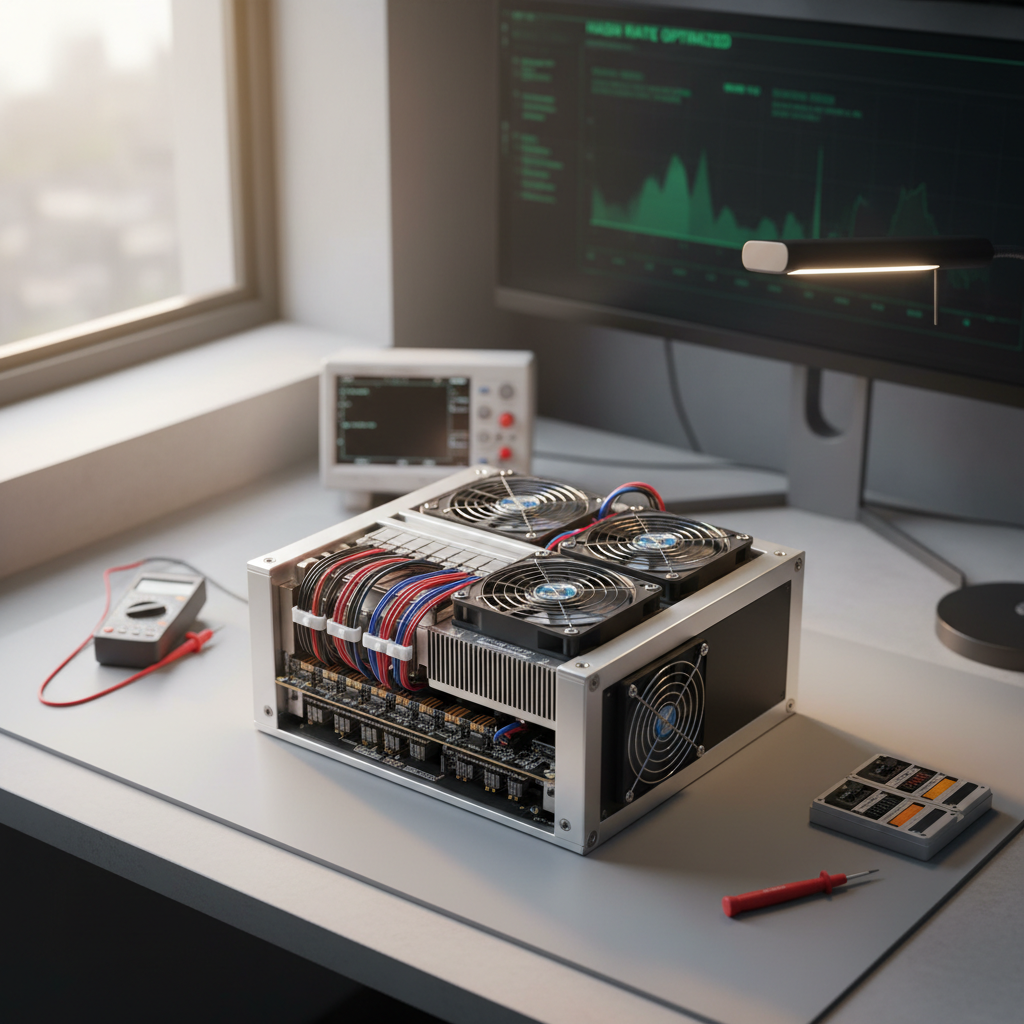
Conclusion
Understanding the impact of climate on hardware durability is essential for maximizing the lifespan and efficiency of your devices. By taking proactive measures to protect against temperature extremes, humidity, and other environmental factors, you can ensure that your hardware remains reliable and functional for years to come.
Investing in appropriate protective measures and staying informed about the specific environmental challenges your hardware faces can prevent costly repairs and replacements, ultimately saving time and resources.